

Behind the Badge: Chapter 1 – A Routine Patrol Turns Critical
This is the first in a three-part series exploring how law enforcement technology helps protect truth, reinforce trust, and support those who serve and their communities––from the streets to the courtroom.
—
They call it a “routine patrol”, but the reality behind the badge is anything but simple.
Through the voices of a former investigator shaped by years in child exploitation cases, a retired officer with decades of field experience, and a husband whose wifte still serves on the front lines, we explore the unseen toll of the job on officers and their families and how seemingly innocuous interactions can have repercussions across a community. Their insights reveal how modern technology supports officers and communities when clarity, composure, and accountability matter most.
What follows is a story of tension, resilience, and the systems built to protect those who protect others.
—
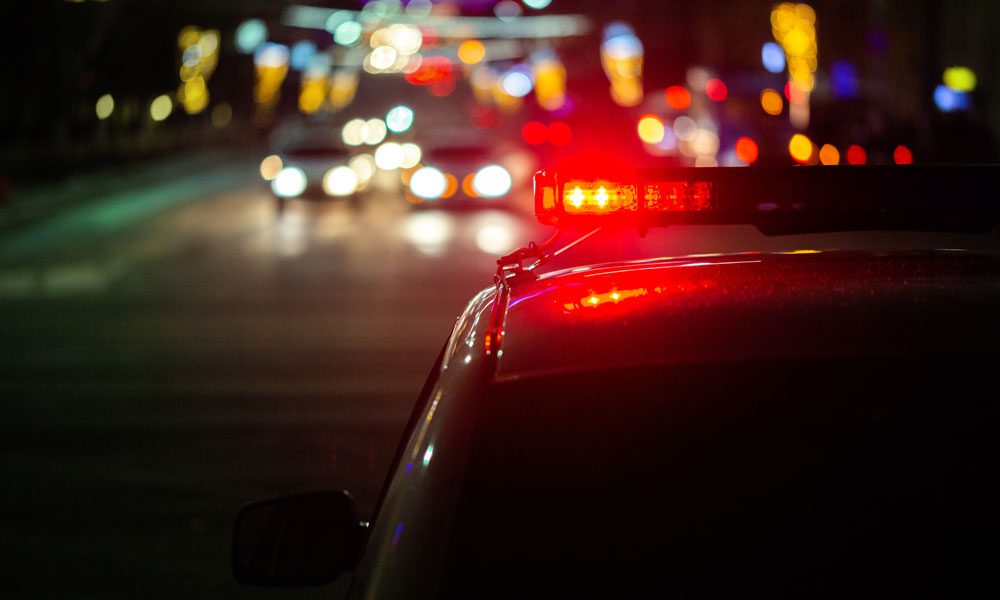
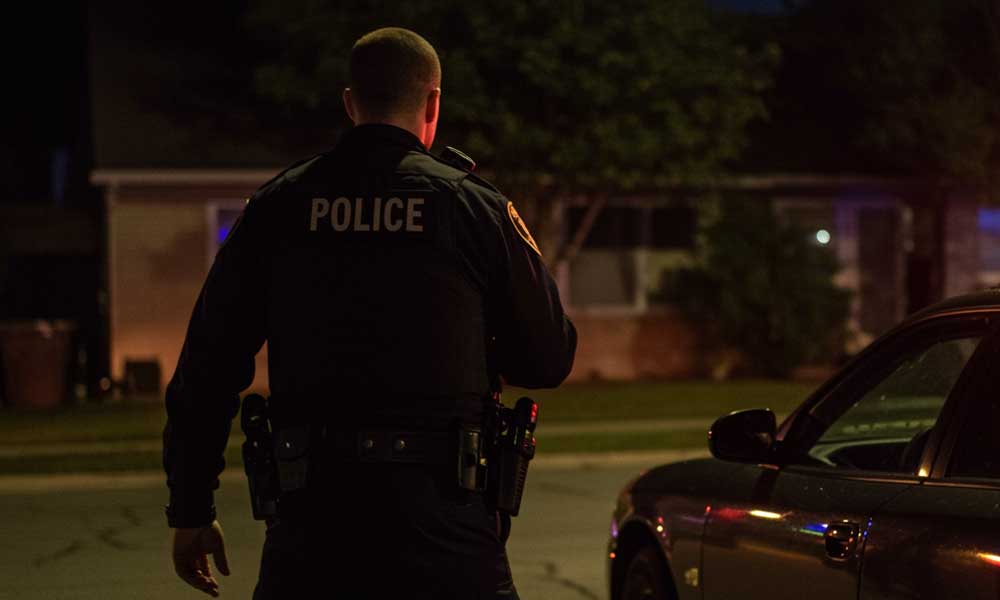
The streetlights cast long shadows across a downtown city, while a patrol car moves steadily through the quiet night. On the surface, this evening looks uneventful. But ask any officer, and they’ll tell you a night can change in the blink of an eye.
“Anything can happen in a split second,” recalls a former investigator who now works at Safe Fleet. “You could be sitting at a stoplight one minute and in the middle of a felony stop the next.”
This constant uncertainty defines modern policing. For officers, the challenge isn’t just what they see in front of them, but the mental weight of knowing that the routine can turn dangerous without warning. A former officer puts it plainly:
“When you’re on the job, there’s no such thing as a routine day. You’re always on guard, because the next call or the next stop could spiral fast.”
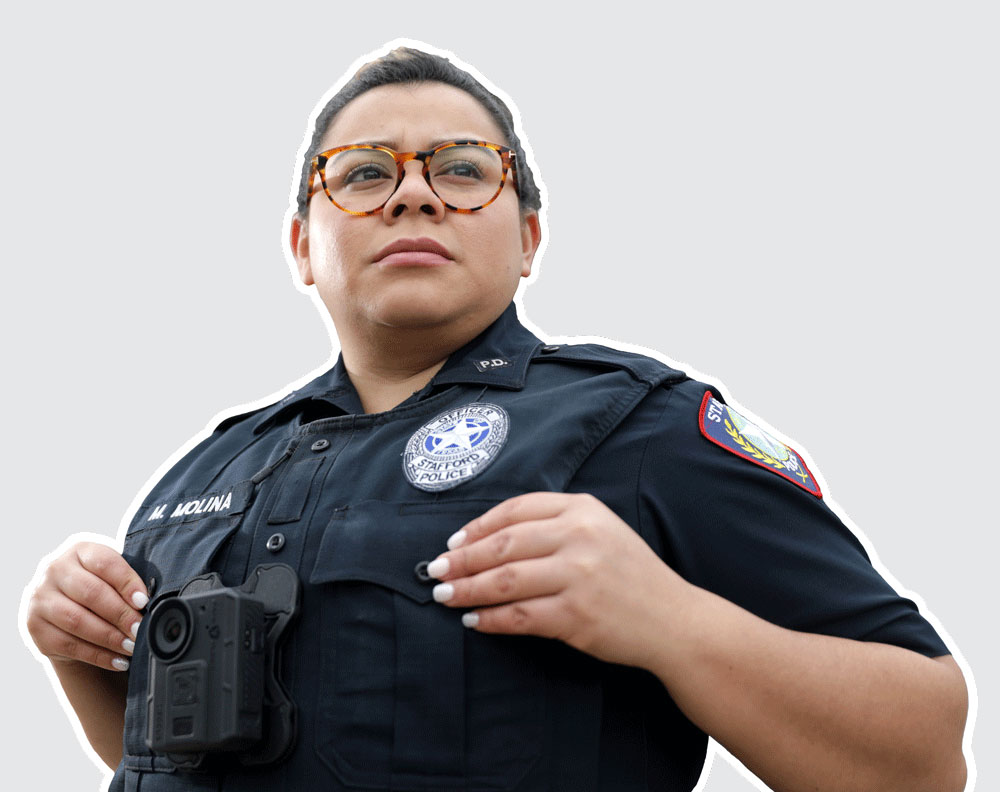
Today, police departments face a shrinking pool of recruits. Agencies that once saw hundreds of qualified applicants now struggle to attract even a handful of them. With fewer officers entering the profession—and many leaving early due to burnout, stress, disillusionment—those who remain are stretched increasingly thin.
Longer shifts, fewer partners, and mounting external pressure have become the norm, adding to the mental and emotional toll already carried on the job.
In the face of mounting challenges, technology has become an essential support system. It doesn’t replace officers’ judgment or training, but it does give them tools that make patrols safer, smarter, and more efficient.
ALPR: A Constant Set of Eyes
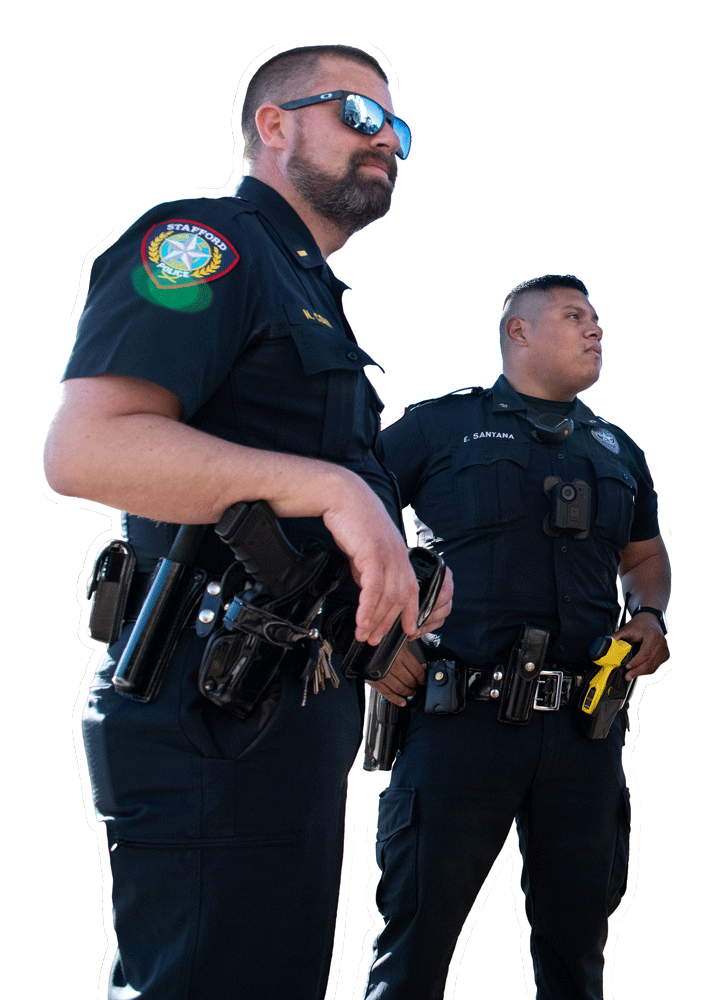
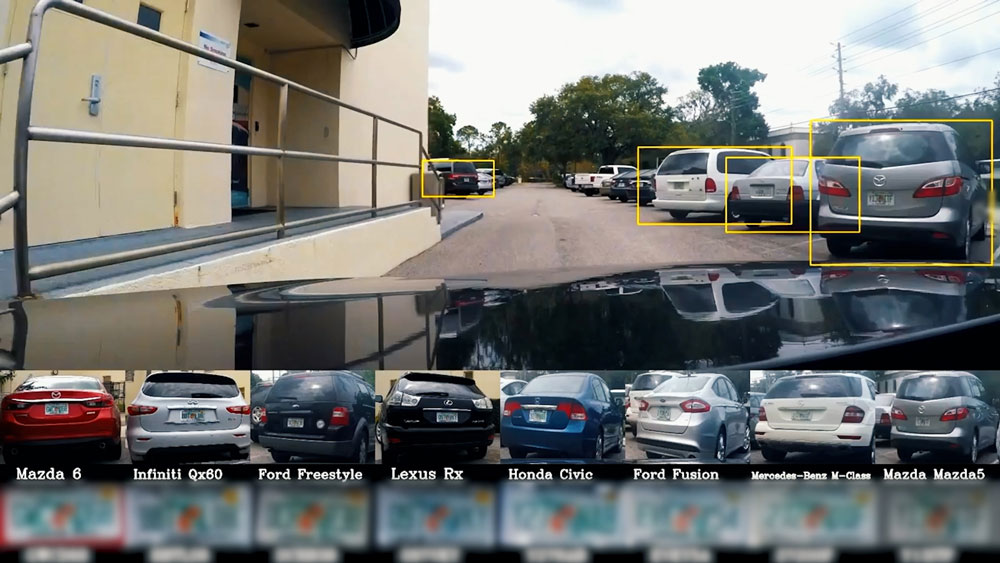
The patrol car hums quietly as it moves through the night, but its single occupant has the force-multiplying benefit of a second set of eyes that are always on. Cameras mounted on the patrol car sweep across passing and parked vehicles, silently capturing license plates with precision. The in-car video system equipped with Automated License Plate Recognition (ALPR) runs continuously, scanning plates in real time and flagging vehicles or interest without delay.
- Each scan is instantly compared to national and local hot lists.
- When a match occurs, the system alerts the officer with an on-screen image of the vehicle, a close-up photo of the plate, and the reason for the hit or match.
- The officer doesn’t have to take any extra steps or divert their attention from the road unless they determine the car/driver in question should be further investigated.
One former officer remembers the early days of ALPR in his department:
“It was like adding another officer in the car, but one that never got tired, or looked away. You’re still doing your job, but you’ve got something working alongside you that never stops.”
One patrol car equipped with ALPR can cover ground that once required multiple units. With this technology, an officer can patrol more effectively, scan more vehicles, and respond with greater precision than ever before. The system enhances situational awareness and reinforces safety—providing a steady, watchful presence that never blinks and never hesitates.
Beyond the Stop: Data in Motion
An alert flashes across the screen–one plate, one match. When the ALPR identifies a vehicle of interest, the information doesn’t stay locked in the patrol car. As the officer prepares to investigate, the vehicle and plate data are already in motion, transmitted seamlessly to the back-end Digital Evidence Management Platform .
- Investigators can analyze the vehicle’s travel history and identify patterns.
- Real-time crime centers can provide intelligence back to the officer while the investigation unfolds.
- Evidence is automatically stored, organized, and linked to ongoing cases.
A former officer points out how significant this integration is compared to older systems:
“We used to juggle CDs, DVDs, even VHS tapes—trying to get evidence into the right hands. Now it’s immediate. Data is secure, organized, and available where it needs to be.”
While the officer stays focused on the scene, the investigative engine is already turning—quietly, efficiently, and without delay. The stop may be unfolding in real time, but the case is already taking shape behind the scenes.
Safety Beyond the Badge How Cameras Play a Vital Role
The patrol car may carry one officer, but the weight of the shift is shared by many. Families wait at home, hoping for a quiet night. Communities rely on trust, built one interaction at a time. And every moment in the field carries the potential to create ripples far beyond the scene.
A police officer’s husband shares what that means for him personally:
“When she’s on shift, I know she’s being looked out for thanks to the technology she carries. If something goes wrong and she can’t call for help herself, the system can alert the back office automatically. It keeps her linked to her team, even when things get unpredictable. That’s peace of mind. It’s accountability, but it’s also protection”
A former police officer emphasizes the same point from their perspective:
“The cameras and the data aren’t just about catching people who’ve done something wrong . They’ve cleared countless officers of false complaints. Having that objective record saves careers and restores trust.”
From the officer’s perspective, that same record offers relief. Not just from false accusations, but from the burden of having to defend every decision without support. The camera doesn’t blink. The data doesn’t forget. And when questions arise, the evidence stands ready.
These systems help protect not just the badge, but the person wearing it—and the people who care about them. In a world that often sees only the uniform, we’re working to highlight the human side of law enforcement. It’s about recognizing the individual behind the role, and supporting them with tools that connect, protect, and bring peace of mind to their colleagues, friends, and family.
A Turn in the Night – When Cameras are Matched with AI
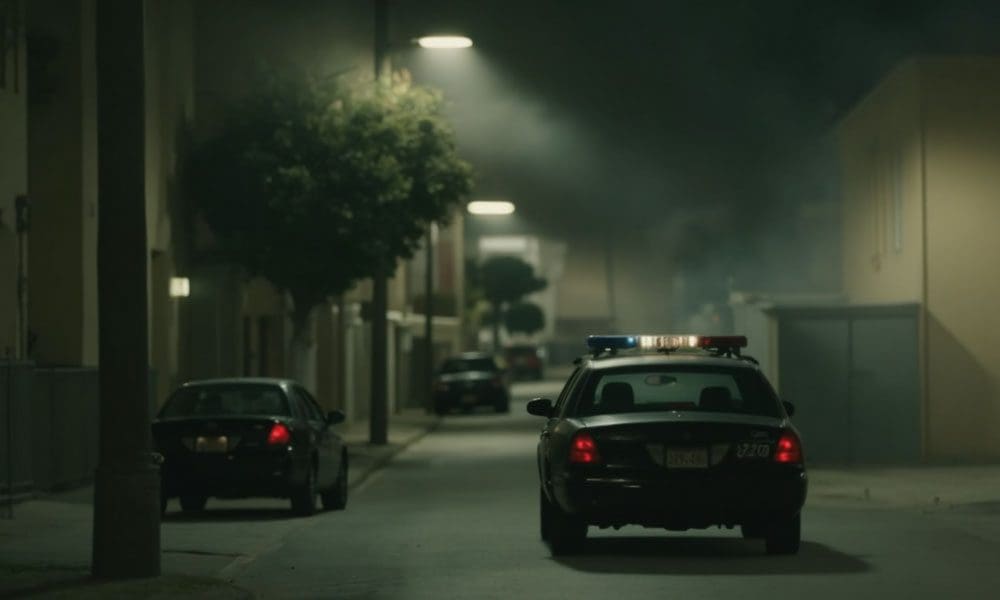
The ALPR system has issued an alert. A flagged vehicle is just yards ahead, its plate matched against a hot list. The officer slows the cruiser, eyes locked on the car in question. One driver. No passengers. The in-car display is clear, the reason for the hotlist match shown.
The officer pulls the suspect over, keeping distance, watching for movement. The stop should be simple, straightforward—by the book.
But simplicity rarely lasts.
As the officer steps out and approaches, the driver erupts — the door flings open, voice raised, movements erratic. The air shifts. What was steady becomes volatile.
Even before the scene unfolds
The officer steps out knowing his gear is ready. Thanks to built-in connectivity, the back office can monitor body camera health in real time—flagging issues early and ensuring the device is operational when it matters most. That kind of visibility means fewer surprises in the field, and one less thing for the officer to worry about when the stakes are high.
The officer holds his ground. His training kicks in. So does his technology—inside the car and on his body––already in motion.
The encounter is escalating. And the weight of the badge, the burden of the moment, and the promise of truth and justice are about to collide.
—
Technology featured in this chapter:
Learn all about the FOCUS® In‑Car Video System with ALPR
Some of its new functionality highlighted in this article includes:
- Multi‑device case grouping that cuts review time and reduces evidence gaps
Learn all about the FOCUS® Body Camera
Some of its new functionality highlighted in this article includes:
- Real‑time device health monitoring that keeps gear reliable when it matters most
- Live streaming tied to critical incident alerts for faster, safer response
- Priority evidence upload that gets urgent footage into investigators’ hands immediately, preserving chain of custody and speeding case response
Learn all about the NEXUS™ Digital Evidence Management (DEMS)
Explore the next evolution in law enforcement technology and more stories Behind the Badge.
—
To be continued next week in Chapter 2: Suspect Encounter.
Share This Story, Choose Your Platform!
Subscribe to our blog
RECENT BLOG ARTICLES

Inside the Cab: 5 Lessons One School District Learned From Their AI Bus Pilot
Every morning in America, more than 25 million students ride to school on a fleet that has no room [...]

Celebrating Jim Haigh — 43 Years of Leadership, Mentorship, and Legacy
At the end of last year, Safe Fleet bid farewell to one of its most enduring leaders. After 43 [...]
Behind the Badge: Chapter 3 – Building the Case
This is the third in a three-part series exploring how law enforcement technology helps protect truth, reinforces trust, and [...]
Behind the Badge: Chapter 2 – Suspect Encounter
This is the second in a three-part series exploring how law enforcement technology helps protect truth, reinforces trust, and [...]
Behind the Badge: Chapter 1 – A Routine Patrol Turns Critical
This is the first in a three-part series exploring how law enforcement technology helps protect truth, reinforce trust, and support [...]