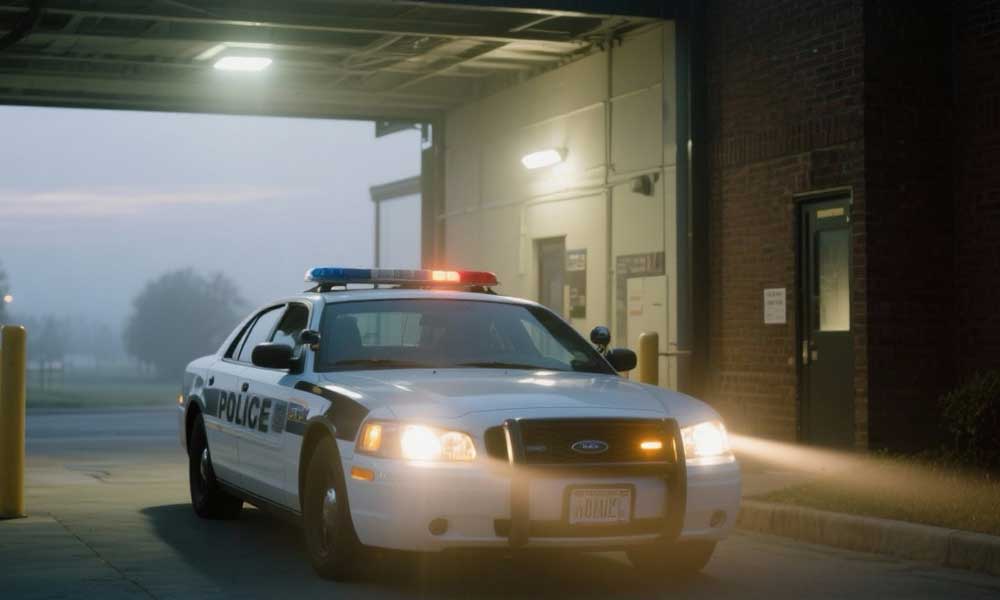
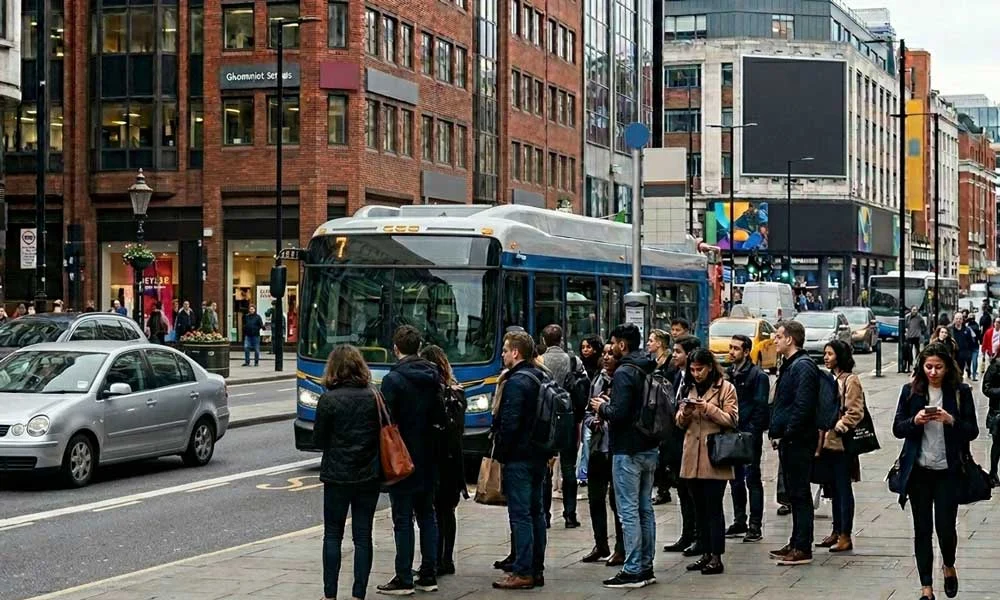
Imagine a typical Monday morning in an urban center like New York, Toronto, or Mexico City. The subways are full, buses are crawling through traffic, and curbsides are a chaotic puzzle of delivery trucks and ride-shares.
Now, add the 2026 FIFA World Cup.
This tournament represents a logistical mountain for North American host cities, which are bracing for a massive volume of humanity. An estimated 6.5 million ticketed fans will head to stadiums, while millions of additional non-ticketed visitors will travel to be part of the atmosphere at Fan Festivals and local watch parties.
In 2026, the tournament will turn 16 host cities into high-pressure environments. With updated projections estimating a global GDP impact of over $40 billion, the stakes are massive. Success depends on many moving parts, but a primary factor is how well a city can protect its dedicated transit space—keeping bus routes moving and efficient even under extreme demand from residents and this massive influx of visitors.
For a host city like Toronto, an estimated 300,000 additional visitors are expected to descend on the urban core, a surge comparable to hosting six consecutive Taylor Swift Eras Tour residencies.
The Invisible Logistics of a Match Day
To logistics professionals, a stadium operates like a beating heart. For game day to succeed, that heart must pump efficiently moving thousands of staff, security teams, vendors, and fans within a narrow two-hour window. When the arteries––bus lanes and transit corridors—become congested, circulation slows, delays ripple outward, and the entire system falters.
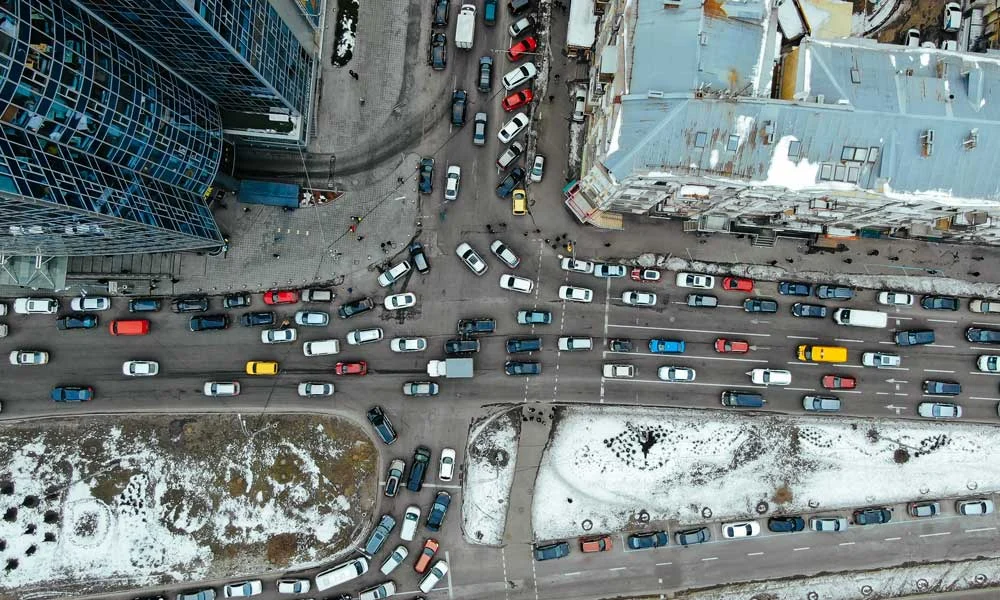
Transit agencies face three main obstacles that can ruin the rhythm:
- The “Just for a Second” Delivery: A food truck delivering jerseys or stadium snacks blocks a dedicated bus lane. This forces a 40-foot bus to merge into general traffic, causing a ripple effect of delays that can set an entire route back 20 minutes.
- The Ride-Share Tangle: Unfamiliar visitors call for Ubers and Lyfts, which often stop in bus zones or active transit lanes, also contributing to more vehicles on the road.
- The Perimeter Deadlock: As security perimeters tighten around stadiums, traffic is diverted. This puts unprecedented pressure on the remaining open lanes, making every square inch of dedicated transit space more valuable than gold.
Leveraging an AI-powered Referee
To manage this pressure, rather than relying solely on traditional boots-on-the-ground enforcement—which is difficult to scale during a month-long global event—equipped cities are implementing a layered strategy of expanded transit priority and modernized traffic management.
A growing part of this strategy is the use of Automated Vehicle Detection systems. By mounting smart cameras directly onto transit vehicles, cities can turn their fleets into a mobile traffic monitoring network.
As buses move along their routes, these systems continuously scan for obstructions helping ensure dedicated transit lanes remain clear for high-capacity travel.
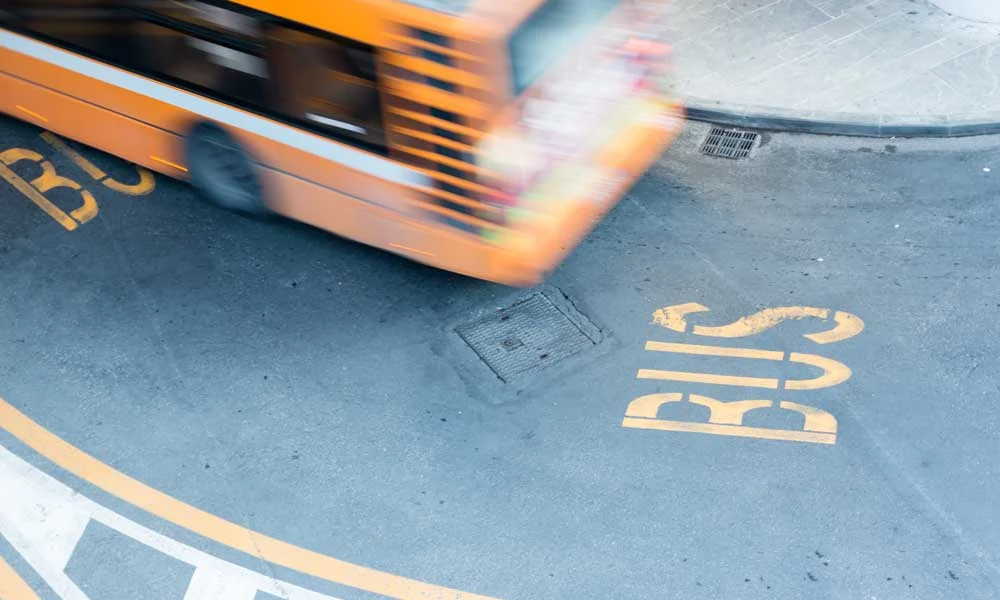
How the concept works in action:
- Real-Time Detection: Using Artificial Intelligence, the system flags violations when two separate buses document the exact same stationary vehicle blocking a dedicated transit route in the same location.
- The Virtual Perimeter: Using city‑defined maps and rules, Automated Vehicle Detection systems enforce virtual perimeters around restricted transit zones—ensuring violations are consistently detected and addressed where and when restrictions apply.
- Behavioral Change: The ultimate goal is long-term compliance. When drivers realize transit lanes are actively monitored, behavior shifts. In cities where automated enforcement is deployed, repeat violations drop significantly; most drivers only need one “yellow card” to learn the rules.
The ClearLane Advantage: Winning the Long Game
While the concept of automated enforcement is the playbook, Safe Fleet ClearLane™ is the elite athlete that executes it.
ClearLane is an intelligent Automated Vehicle Detection system that turns transit buses into mobile enforcement units through a combination of AI‑powered cameras and GPS‑based location tracking.
ClearLane is a flexible enforcement platform that enables both Automated Bus Lane Enforcement (ABLE) and Automated Camera Enforcement (ACE). Agencies can deploy the system to keep dedicated bus lanes clear and moving or extend enforcement to curbside spaces like bike lanes and bus stops to ensure they remain accessible and unobstructed.
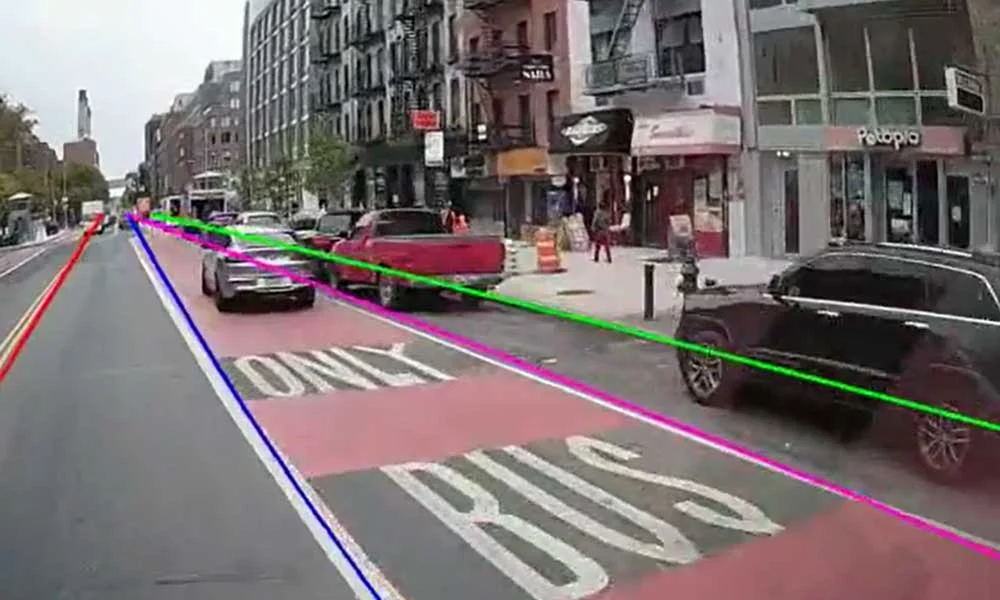
Why ClearLane stands apart:
- High-Precision Positioning: Unlike standard GPS that struggles in “urban canyons,” ClearLane uses edge processing and inertial sensors to maintain accuracy. This ensures continuous tracking through tunnels or between skyscrapers using dead reckoning.
- The “All-in-One” Evidence Package: Utilizing ALPR and context cameras, ClearLane automatically captures and bundles high-definition photos of the violating vehicle, the license plate, a video of the violation, and the exact timestamp into a secure file. This makes the “offside” call indisputable for local authorities.
- Seamless Integration: Operators/drivers can focus entirely on navigating heavy event traffic. The system works fully in the background with zero driver interaction, adding no extra buttons, tasks, or distractions to their daily workflow.
- Fairness, Resilience, and Integrity: ClearLane uses a multi-bus verification protocol to confirm violations and resilient “Edge” intelligence to prevent system failure. All evidence is protected by SOC 2 Type 2 security and stored in Azure Government cloud infrastructure, meeting FBI-grade criminal justice standards.
- Smart City Foundation: Beyond the World Cup, ClearLane acts as a data hub, helping cities see where and why their lanes are being blocked so they can fix infrastructure long after the trophy is raised.
Safe Fleet helps to keep your operations seamless and secure under the heaviest peak demands, from the FIFA World Cup to any high-volume event. Gain improved visibility, reduce your risks, and respond faster when every second counts.