Case Study · School Bus Safety

Duet AI™ Pilot at Richland School District Two

AI-Based Driver Behavior Monitoring System

Richland Two School District in South Carolina operates more than 200 school buses every day, transporting thousands of students to and from school and extracurricular activities. Ensuring safety across this broad fleet requires strong leadership and technology that keeps up with the evolving demands of school transportation.

In recent years, Richland Two has embraced an experimental mindset – piloting artificial intelligence-based safety systems across its fleet to better understand and curb dangerous driving behaviors before they result in incidents.
Richland Two: An Overview

The School District: Richland School District Two

Fleet Size: ~200 buses (45 district-owned, remainder state-owned)

Technology: Duet AI Driver Behavior Monitoring System – Pilot Program

Transportation Contact: Laura Bugger, Activity Fleet Manager

Fleet Type: Regular student routes, special needs, activity/sports

Duet AI Coverage: The district utilizes eight routing systems: two for activity buses, two for special needs transportation, and four for regular routes, organized by hubs – two serving the north and two serving the south.

Introducing Duet AI

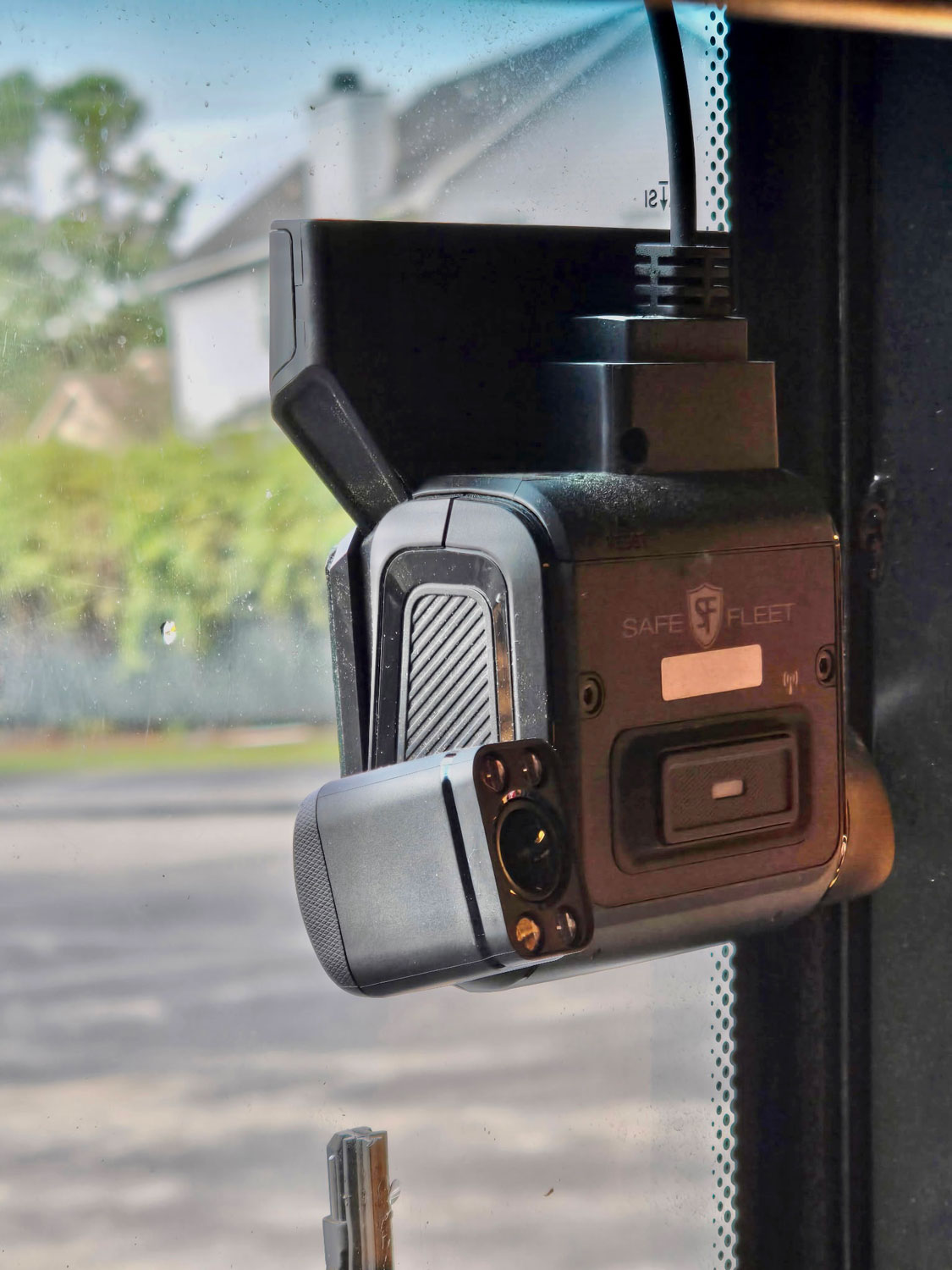
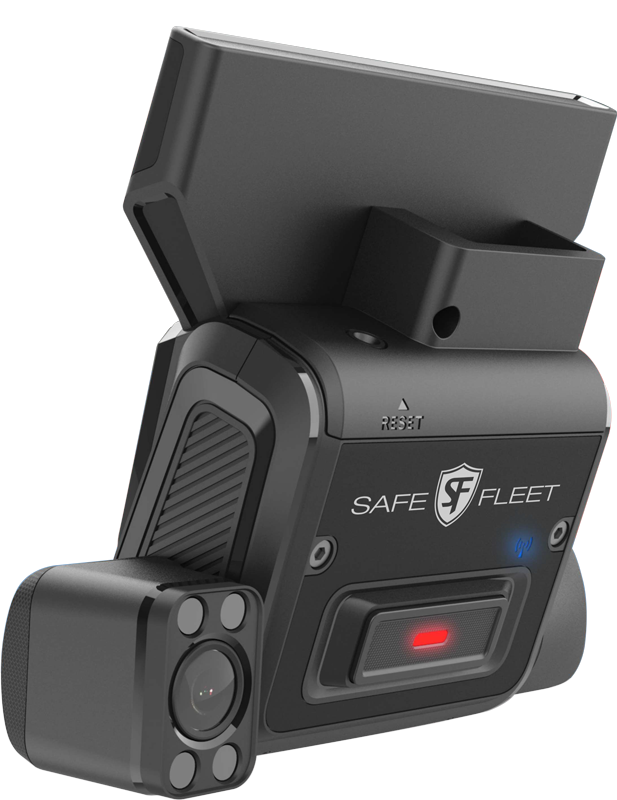
The Safe Fleet Duet AI Driver Behavior Monitoring System combines dual dash cameras with advanced artificial intelligence to help fleets identify and improve risky driving habits in real time. Designed to actively alert drivers to fatigue, distraction, and unsafe behaviors, Duet AI offers key features such as:

AI-powered driver monitoring for distractions like phone use, drowsiness, and harsh maneuvers
A roadway-facing camera that captures contextual footage of driving conditions

Flexible privacy controls that restrict streaming or recording based on policy or union needs

Real-time alerts and driver scoring to support coaching and accountability

Location and Video Streaming. Track live location from active devices and optionally stream video from front and rear cameras

Cloud-based storage with event-triggered uploads for post-incident review

By pairing cutting-edge detection with active event tracking, Duet AI empowers school districts to move beyond passive surveillance and build safer, more transparent transportation systems.
The Motivation

Duet AI wasn’t introduced at Richland Two in response to a major incident. Instead, its adoption was driven by compelling data gathered during a test of competitive technology. Surprisingly, findings revealed specific areas where drivers could benefit from targeted coaching, such as speed management and stop-sign awareness. These nuanced driving patterns had previously gone unnoticed, highlighting the need for a more proactive safety solution.

That competitive technology wasn’t ultimately adopted, largely due to cost and fit, which left Richland Two open to exploring alternatives.

While Laura Bugger, the Activity Fleet Manager for Richland Two didn’t oversee the earlier trial, she had indirect insight into the results through well-documented notes and firsthand testimony from original team members. Duet AI functionality seemed broadly comparable to the previously tested competitive technology, but Duet AI stood out for its pilot structure that matched the district’s budget and rollout needs.

Richland Two decided to formally pilot the Duet AI Driver Behavior solution to see if this more organizationally aligned solution could help them zero in on the same issues noted in the previous test and prevent risks before they led to serious consequences.

The Motivation

Duet AI wasn’t introduced at Richland Two in response to a major incident. Instead, its adoption was driven by compelling data gathered during a test of competitive technology. Surprisingly, findings revealed specific areas where drivers could benefit from targeted coaching, such as speed management and stop-sign awareness. These nuanced driving patterns had previously gone unnoticed, highlighting the need for a more proactive safety solution.

That competitive technology wasn’t ultimately adopted, largely due to cost and fit, which left Richland Two open to exploring alternatives.

While Laura Bugger, the Activity Fleet Manager for Richland Two didn’t oversee the earlier trial, she had indirect insight into the results through well-documented notes and firsthand testimony from original team members. Duet AI functionality seemed broadly comparable to the previously tested competitive technology, but Duet AI stood out for its pilot structure that matched the district’s budget and rollout needs.

Richland Two decided to formally pilot the Duet AI Driver Behavior solution to see if this more organizationally aligned solution could help them zero in on the same issues noted in the previous test and prevent risks before they led to serious consequences.

“We’re not trying to get drivers in trouble. We’re trying to help them improve, keep their jobs, and prevent issues before they arise.”

Laura Bugger, Activity Fleet Manager

Safe Fleet Duet AI: A Smarter Way to Drive Fleet Safety Forward

Duet AI is a proactive fleet safety solution designed to do more than just monitor driving behavior – it helps prevent crashes before they happen. By intelligently identifying risky driving practices in real time, Duet AI empowers fleet managers to coach and correct behaviors swiftly and effectively, creating safer roads and more accountable drivers.

Duet AI is transforming fleet safety through:

Proactive Prevention – Duet AI doesn’t just report incidents; it helps stop them from occurring by alerting drivers to unsafe habits before they escalate.

Actionable Protection – Fleet managers gain access to clear, data-driven insights that enable targeted coaching and continuous improvement.

Simplified Experience – With an intuitive interface and reliable performance, Duet AI makes safety management seamless and stress-free.

The Technology Landscape

Richland Two deployed their Duet AI pilot in a variety of settings: on different types of bus routes (Activity, Special Needs, and regular routes) and across different transportation hubs. The goal was to understand how the system handled real-world driving conditions including changing speed limits, school zones, and route complexity.

While the cameras already installed on buses provided passive footage, Duet AI offered active alerts and data analysis which allowed the district to go beyond manually reviewing hours of video.

Early Findings & Driver Reactions

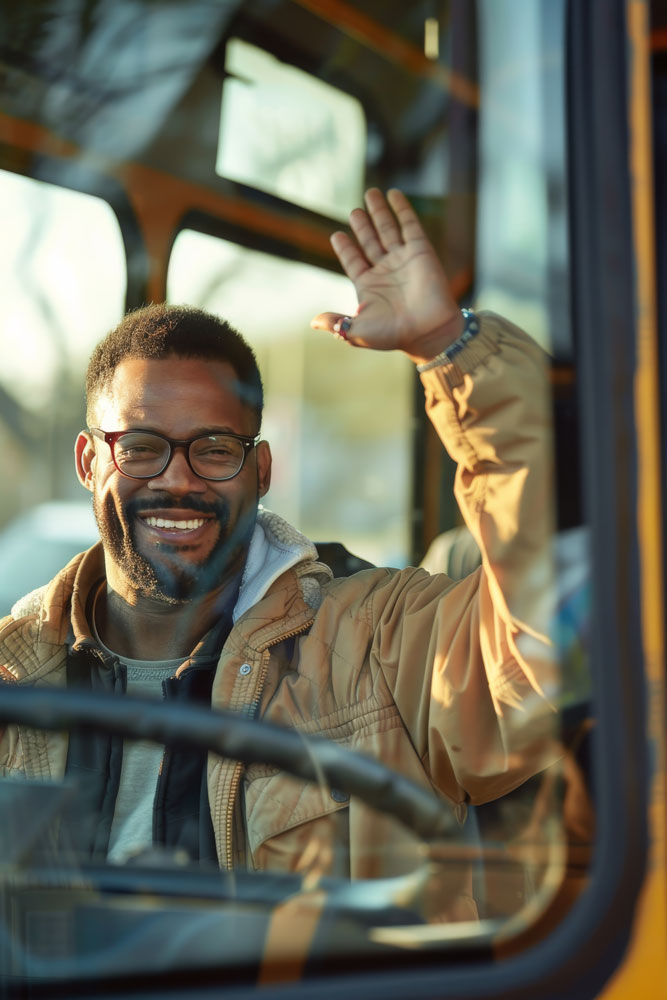
Initial driver reactions to the inward-facing cameras ranged from skepticism to concerns over privacy. However, as the pilot progressed, a more productive narrative took shape. Drivers and administrators began to see the technology as a tool for professional growth and protection rather than one of simple surveillance.

One of the most significant findings involved the immediate impact of the system’s audible alerts. When Duet AI identified a risky behavior, such as a distraction or a harsh maneuver, it issued a real-time warning to the driver.

The data revealed a high rate of immediate self-correction. Most drivers adjusted their behavior the moment they received the alert, resolving potential safety issues without requiring supervisor intervention. This real-time feedback loop transforms the cab into a self-correcting environment, allowing drivers to manage their own performance and reduce the administrative burden on fleet managers.

PREVENTION OVER PUNISHMENT

The Duet AI™ system helped identify consistent driving patterns and flag emerging safety trends early. Rather than using the system for punitive action, Richland Two used these insights to prioritize coaching and intervention, which ultimately lead to better student safety.

Even early in the pilot, administrators noticed positive results: drivers became more aware of risky behaviors, trends could be spotted and addressed before incidents occurred, and coaching could be targeted where it would have the greatest impact.

Laura believes the system would have an even broader impact if implemented across the entire fleet, but budget limitations mean expansion isn’t likely in the short term.

FUTURE IMPLICATIONS

Though Richland’s pilot is limited in scope, Laura sees potential for much more, especially in using Duet AI as both a preventative and protective tool in training, coaching, incident resolution, and policy enforcement.
And if scaled thoughtfully, Duet AI could help Richland Two redefine what proactive transportation safety looks like in schools.

Clearly, this technology delivers measurable benefits to fleets of all sizes – whether you’re managing a handful of vehicles or an entire district. By minimizing risk, fleets not only enhance safety but also reduce operating costs and improve overall performance.

Administrators and drivers have seen firsthand how repeat behaviors – like speeding or ignoring stop signs – are now met with accountability, thanks to clear, reliable footage.

“We don’t have eyes on every bus all the time. This gives us a way to see trends, stop problems before they escalate, and protect our students, drivers, and district.”

Laura Bugger, Activity Fleet Manager

So, what’s stopping you?

Reach out today to discover how this technology can start making a difference in your fleet from the moment it’s installed.